I’m Still Standing: 12 Years After Pancreatic Cancer
12 Years After Pancreatic Cancer, I’m Still Here
Twelve years ago, I was diagnosed with pancreatic cancer. I wasn’t given hope. I was told my odds were bad. I also knew most people didn’t make it to five years. I just made it to twelve.
I’m still standing. Not better than before — that would be a lie. But standing. Still here. Still breathing. Still stunned. Still wondering what is my purpose.
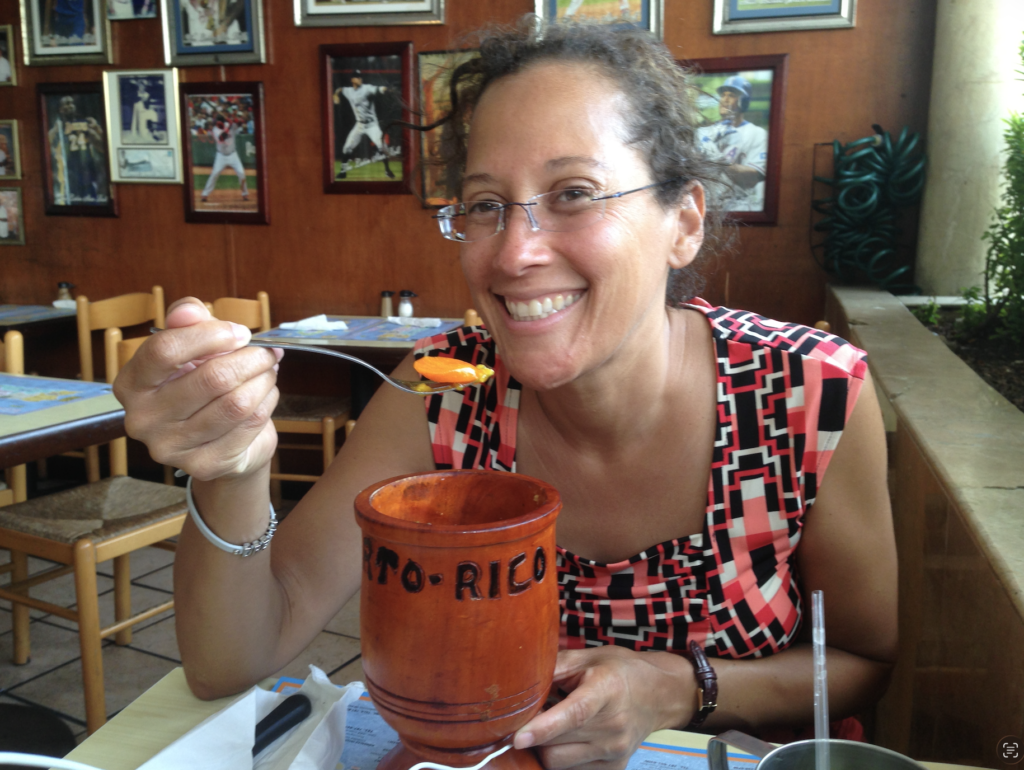
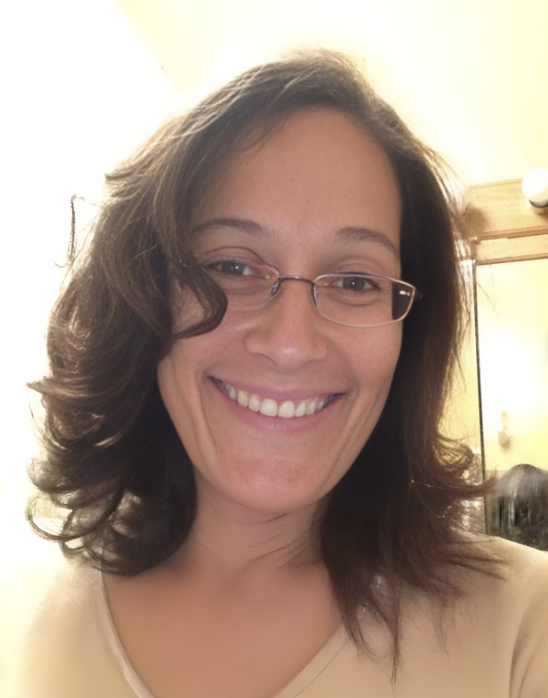
The person who walked into that diagnosis? She died. That version of her didn’t survive. A different person came out the other side. And building her — learning who she was, what she could do, what she had lost for good — that took years. Honestly, it is still happening.
What It Means to Live Beyond Pancreatic Cancer Survival Odds
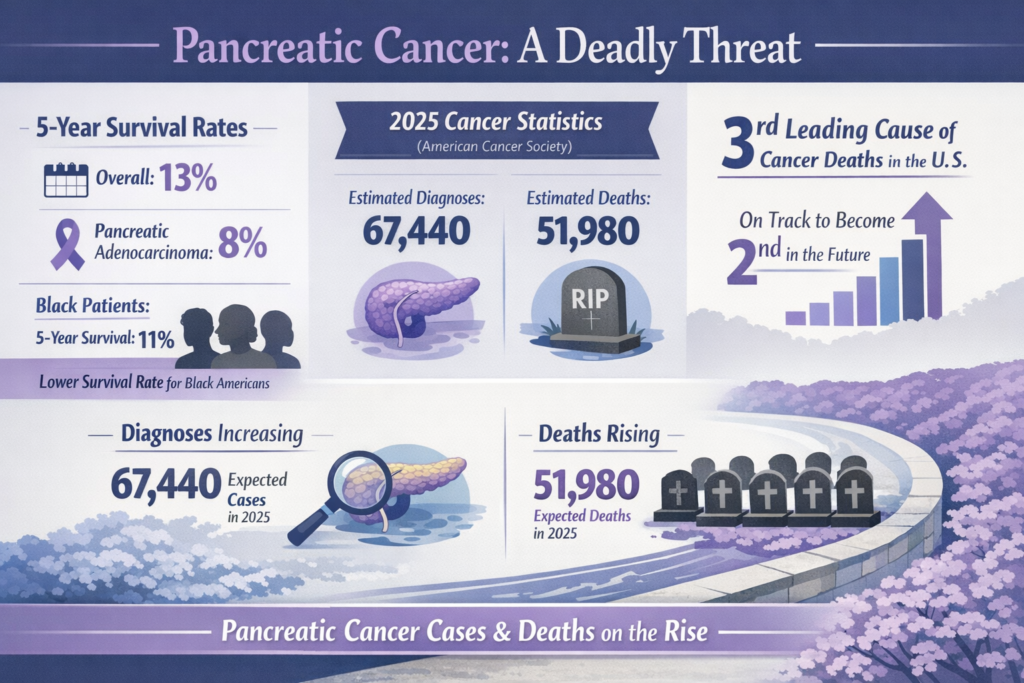
Every year that passes, I feel two things at once — gratitude so deep it’s hard to put into words, and a grief that never quite leaves. Because I know what these numbers mean. The five-year survival rate for pancreatic cancer is 13%. I have now outlived those odds by more than twice over, and I still can’t fully wrap my head around that.
I am one of the very few.
And that’s not something I can celebrate without also asking: why are there so few of us? Why, in 2026, are we still here with a 13% survival rate? Why is this acceptable to anyone?
Too Many Pancreatic Cancer Patients Are Diagnosed Too Late
I just learned today that another person from the old neighborhood just died from cancer. Like many of us who seek care, he wasn’t listened to until it was too late. His diagnosis —stage 4 pancreatic cancer. That was hard to hear.
A few months back an old college friend reached out asking what information could I offer her. Her cousin was dying from pancreatic cancer. She asked, would there be any hope for her—there wasn’t. A week before that, a friend asked for guidance. Her neighbor had been diagnosed. Where should he seek care? A few days later she thanked me for the info but it was too late. He died a week after his diagnosis.
All of the individuals mentioned were BIPOC, representing the communities most disproportionately affected by this disease.
Why Pancreatic Cancer Still Lacks Urgency and Funding
These aren’t numbers. These are people with families, loved ones —a life full of living. This isn’t just a medical failure. It’s a funding failure. It’s a priority failure. It’s a failure of urgency.
Why Are We Still an Acceptable Loss? Other cancers — with lower death rates, with better survival odds — receive far more research dollars and public attention. I am not asking to take anything away from anyone. I am asking why pancreatic cancer patients are consistently left behind.
Life After Pancreatic Cancer Changes You Forever
Yes I’m still standing. I realize that there is no picking up where you left off. There is no going back. There is only forward, into a body and a life that are fundamentally, permanently different.
The Emotional Toll of Pancreatic Cancer Survivorship
And then there is everything beyond the physical.
It’s learning how to manage the emotional—the pain that hits you so deep when you hear about another loss.
Why I Keep Speaking Out About Pancreatic Cancer
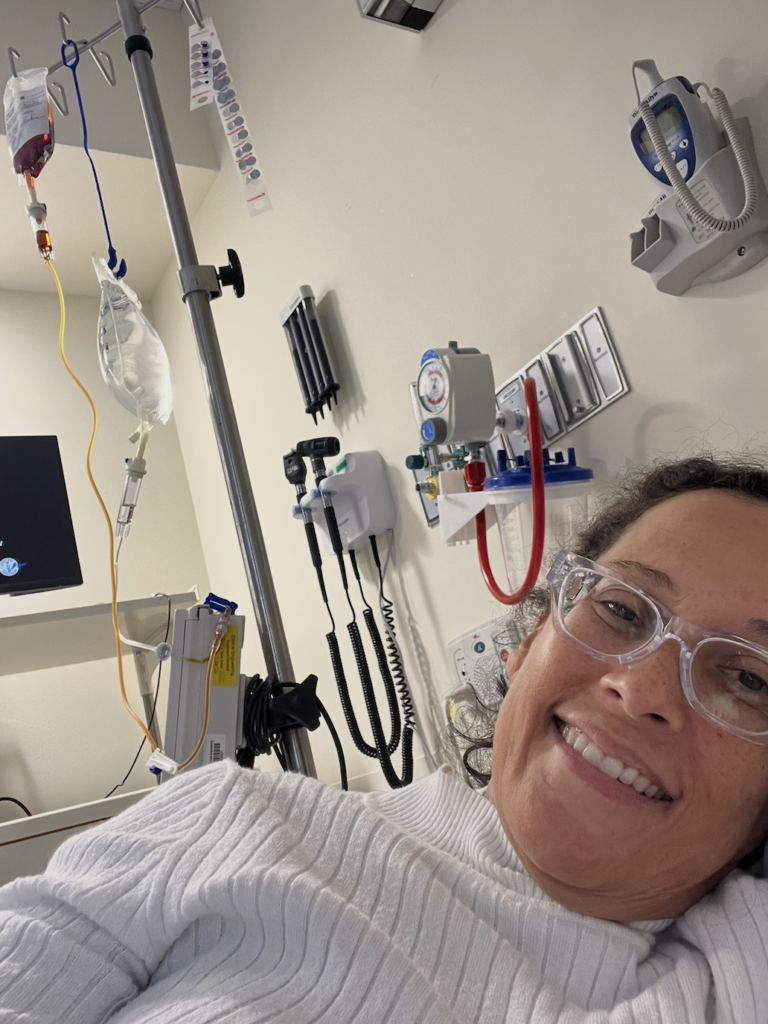
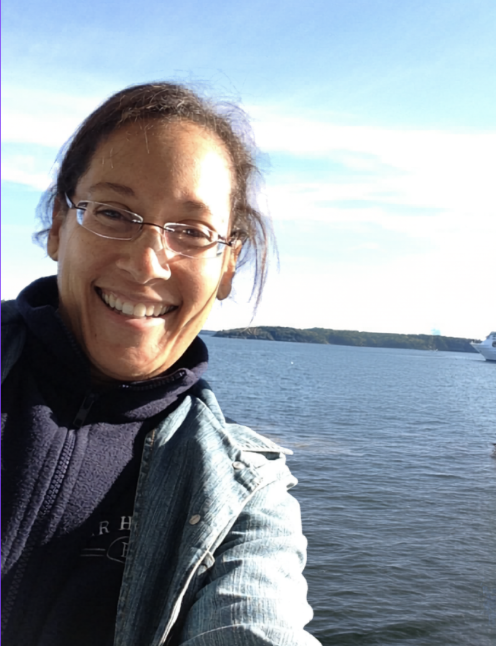
Twelve years. I am still here and I still cannot believe it. I carry the weight of knowing how rare that is. I carry the names of people who didn’t make it. And I carry the anger — the very justified anger — that in 2026, surviving pancreatic cancer is still more exception than expectation.
Black Americans have a significantly higher incidence and mortality rate than any other group. Health disparities, such as late diagnosis and unequal access to surgery, lead to lower survival for many BIPOC communities, particularly Black and Latine patients.
I’m still standing. Not because the system worked. But in spite of the fact that it hasn’t.
And I will keep standing here, saying this out loud, until that changes.
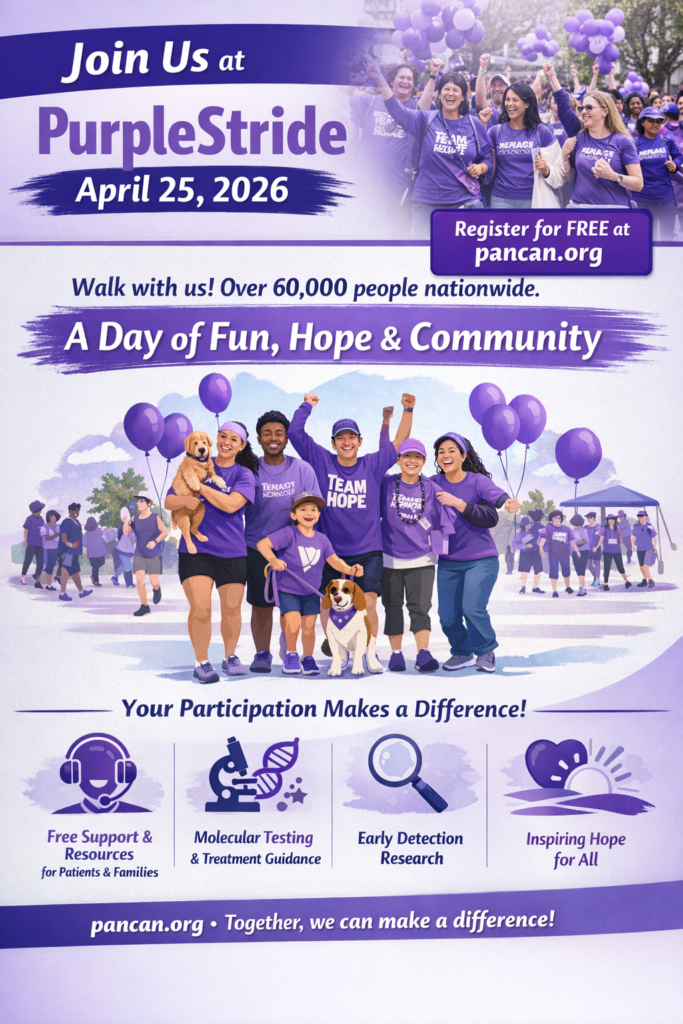
If you or someone you love has been affected by pancreatic cancer, visit pancan.org to learn more and get involved. Join us at Purple Stride April 25, 2026.
Discover more from Dr. Yvette Colón
Subscribe to get the latest posts sent to your email.