
What People Don’t See: The Daily Realities of Life After a Whipple Procedure
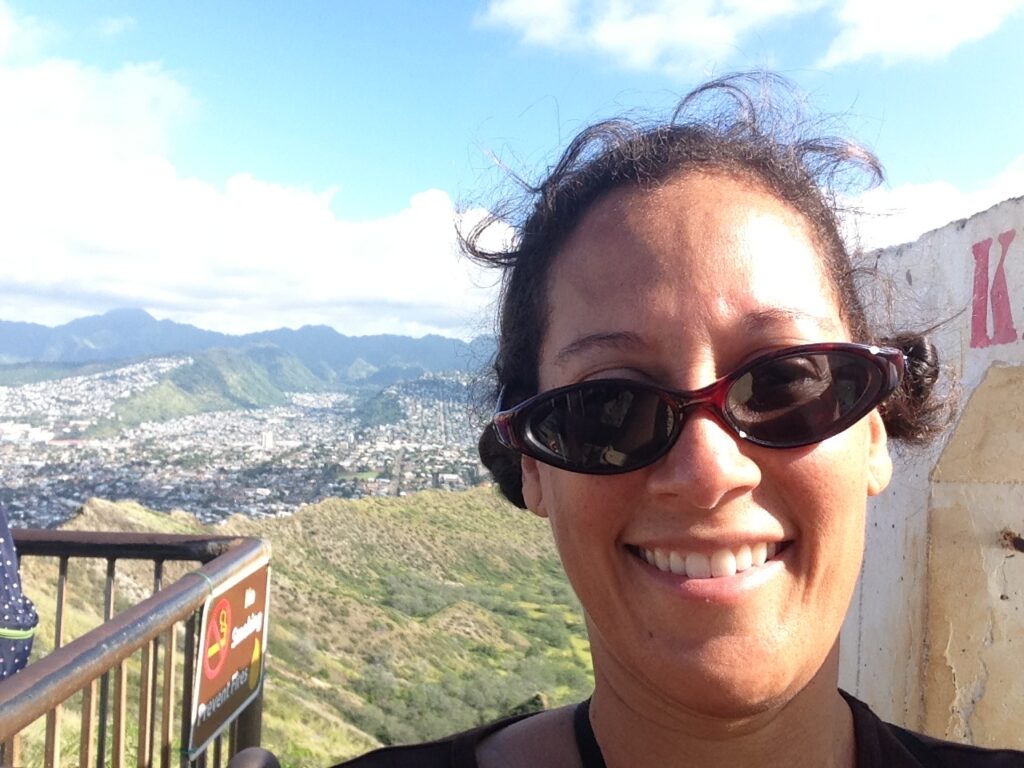
People often call me a unicorn. When you survive pancreatic cancer for more than a decade, the world sees you as something rare and almost mythical. Most people never meet an eleven-year survivor of PDAC, so their first reaction is awe. They smile, they celebrate, and they tell me how strong I must be. On the surface, it sounds beautiful.
What people rarely see is what life after a Whipple procedure actually looks like.
The story they imagine, though, is not the life I live. There is a romantic idea of survival that follows long-term cancer patients. People want to believe the hardest part is over. They picture a clean finish line where everything falls back into place. In their minds, survival means:
- The body heals
- The pain fades
- Energy returns
- Life simply resumes
If only it worked that neatly.
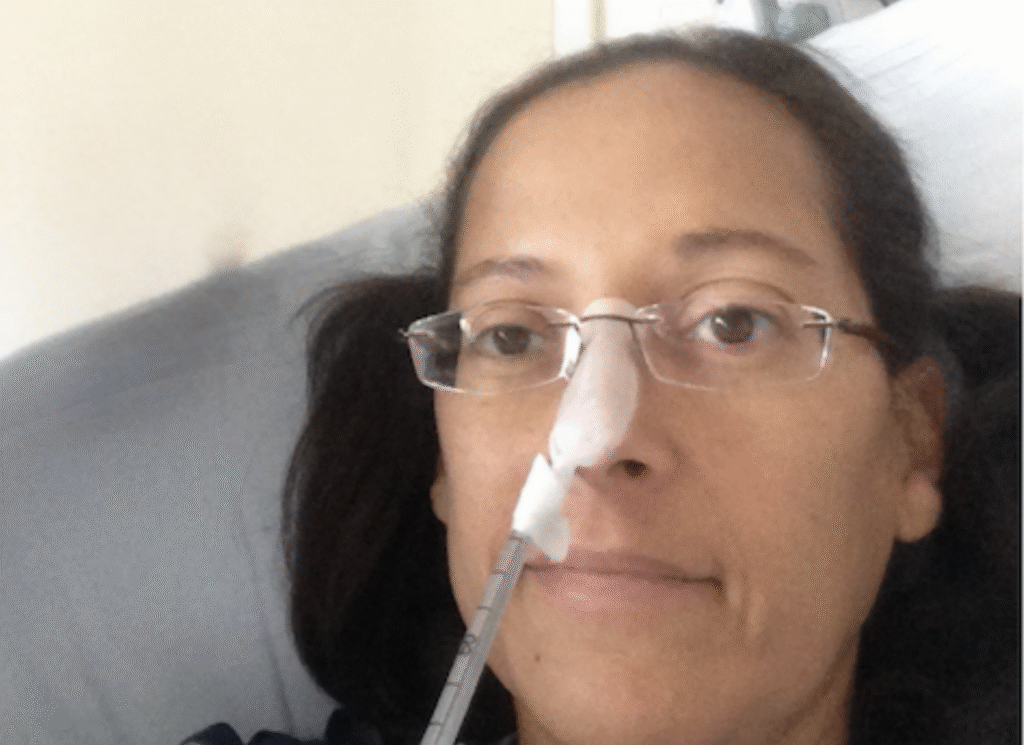
From the outside, I look like someone who has fully recovered from the Whipple procedure. I can walk into a café. I can sit across from a friend and order a meal. I can hold a conversation and look completely fine. What people cannot see is the reality I carry inside my body every hour of the day.
Survival gave me gratitude, but it also brought limitations, chronic pain, and a new relationship with my body that still surprises me. Both truths sit side by side. Most people never see this part. That is why I’m sharing it.
For those new to my story, you can also read my deeper reflection in My Pancreatic Cancer Survivor Story.
Life After a Whipple Procedure Isn’t a Finish Line
The Whipple procedure is often described as a life-saving surgery, and it is. It is also a reconstruction of the entire upper gastrointestinal system. Parts of the pancreas, stomach, bile duct, gallbladder, and small intestine are removed and rearranged so the body can keep functioning. You can learn more about the surgery itself through the Mayo Clinic.
People hear all that and picture an intense surgery with a recovery period. The reality is different.
The common recovery timeline of two to six months never matched my experience. I kept waiting to feel like myself again. I kept waiting for the day when pain eased, digestion settled, and my body stopped feeling like a puzzle held together by delicate connections. That day never came.
Recovery didn’t end. It changed shape. I had to learn how my rebuilt system responded to food, movement, medications, and stress. What worked one day didn’t always work the next.
At some point, I let go of the idea that I would return to who I was before cancer. My goal shifted from getting my old life back to creating a new normal with the body I have now. That normal includes things like:
- Pain levels that shift without warning
- Careful timing around meals and enzymes
- Constant awareness of how fragile the balance can be
I am grateful for my survival. I am also honest about the grief that comes with losing the body I once lived in. Both emotions sit together. They always will.
If you’re newly diagnosed, 5 Things I Learned After My Pancreatic Cancer Diagnosis may help give you more grounding.
The Daily Realities People Never See
A Simple Meal Is Never Simple
Not long ago, I met a friend at a vegan café. I almost never go out to eat, but that day I wanted to feel normal for a moment. I ordered a tofu dish and a smoothie. It looked simple enough. What my friend could not see was the series of decisions behind that meal.
Before I took my first bite, I swallowed an enzyme capsule. As I ate, I took several more. One capsule is never enough. Depending on the meal, I may need up to six capsules just to help digest the food so my body can pull in the nutrients my rebuilt system struggles to absorb. The Cleveland Clinic explains more about why this is necessary after Whipple surgery.
My friend watched me take the capsules and said, “You already took medication.” Her face shifted from concern to surprise, and then to something close to pity. In that moment, she understood something she had never considered: a single plate of food takes real work for me.
Even leftovers are complicated. Foods change texture, density, and digestibility once they cool, which can trigger pain or a long night in the bathroom. So, I give the rest to my sister and quietly accept another loss of spontaneity.
Symptoms Hidden from View
Some days the abdominal pain is so sharp it takes over my entire body. I rock back and forth to manage it. The moaning is instinct, not drama. Chronic diarrhea is part of life too. It determines how far I can drive, whether I can run errands, and how long I can be away from home.
If you’ve ever had your symptoms dismissed, you may relate to this experience: When the Doctor Doesn’t Believe You.
Mobility and Planning Every Step
Even standing or walking becomes its own calculation. I may look fine from the outside, but what people cannot see is:
- The fatigue that hits without warning
- The way my muscles weaken quickly
- The way my body protests when I push too far
Mobility challenges are subtle, yet they affect every plan I make.
Before I leave the house, I map out bathrooms. I consider how long I will be gone, what food will be available, and whether I will have the energy to manage the rest of the day. There is no such thing as grabbing a quick snack or stopping somewhere on a whim. My body needs thoughtful preparation while the people around me can simply go.
These are the parts of survivorship that stay invisible. They shape my world quietly.
You can read more about navigating cancer care in What It’s Like to Navigate Cancer Care as a BIPOC Woman.
These challenges are part of the long-term effects that define life after a Whipple procedure.
The Emotional Weight of an Invisible Disability
The Disconnect Between Appearance and Reality
There is a strange disconnect between how I look and how I live. Most people assume I am “all better now.” They see me standing, walking, smiling, and they think the cancer chapter has closed. They do not see the medicine cabinet, the enzymes tucked into every bag, the quiet calculations behind every choice I make, and the continual doctors appointments, tests, and procedures that will never end.
The Grief of Losing Spontaneity
I used to move through the world without thinking about bathrooms, food that is safe for me to eat, or how long I would be away from home. Now every outing has a checklist. I miss the version of myself who didn’t have to plan every step. It is a small grief, but it shows up every day.
What Disability Looks Like for Me
People often picture disability as something visible, like a wheelchair or an IV pole. My disability does not look like that, yet it shapes my days in ways that are just as real. It shows up in small but powerful ways:
- The pain that flares without warning
- The medications I rely on
- The physical limits that never fully ease
The Invisible Disabilities Association offers more insight into what this experience can look like for many people.
Invisible disability carries its own emotional cost. Most of the time, people simply cannot imagine what it feels like to live inside a body that appears healed but is still fighting every day.
Bridging the Gap: What Survivors Wish Others Understood
Surviving pancreatic cancer does not mean the body returns to how it once worked. A Whipple changes the body in permanent ways. Even the smallest task can take more thought and more energy.
There is emotional labor in explaining myself again and again. Each time I whip out my pill case in front of someone new, I have to decide how much to share. I watch their faces shift from confusion to surprise, sometimes pity. That labor is invisible, but it is heavy.
How Loved Ones Can Support Survivors
- Listen without assuming you already know how we feel
- Understand that looking well is not proof of feeling well
- Accept our limitations without trying to nudge us past them
These small shifts help close the gap between what people see and what survivors actually carry. They create space for honest conversations.
Encouragement for Others Living This Reality
To anyone walking this path, the first thing I want to say is simple. You be you and no one else. There is no single way to live after a Whipple. There is only your body, your limits, your pace, and your truth.
It is okay to acknowledge what you can and cannot do. You do not have to meet the expectations others place on you. You do not have to pretend to be the person you were before cancer. Not returning to your old life is not a failure. It is the outcome of radical surgery, trauma, and years of recovery.
Be kind to yourself. Let yourself grieve the parts of your life that changed. Give yourself credit for the ways you have adapted. Reinvention is not weakness. It is a sign of strength.
A Few Reminders That Helped Me
- Your limits do not define your worth
- Your pace is allowed to be slow
- Your truth is enough, even when others do not understand it
If you’re exploring your own story, Writing About Trauma might support you.
I understand this reality because I live it every day. I know the weight of invisible symptoms and the frustration of a body that no longer behaves as it once did. I also know there is hope in learning to move forward with honesty. There is strength in setting new boundaries and building a life that fits the person you are now.
You are not alone in this. Your survival, your truth, and your journey are yours to shape.
Discover more from Dr. Yvette Colón
Subscribe to get the latest posts sent to your email.